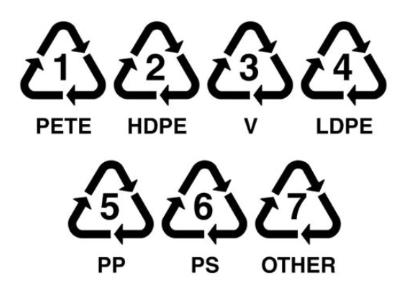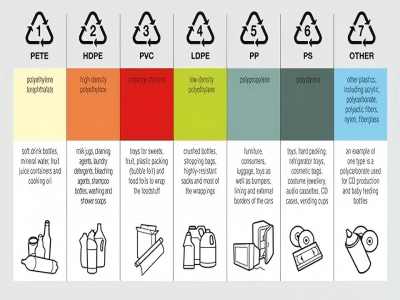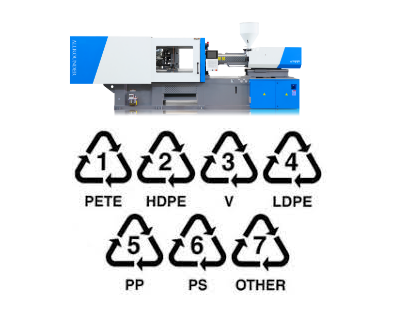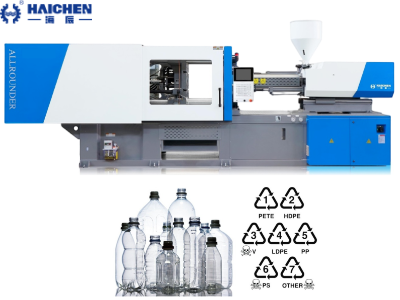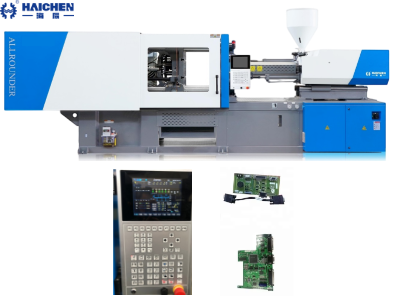
We will introduce you the production process of toilet seat, starting from the size of toilet seat mold, plastic toilet seat mold, plastic toilet seat mold, plastic toilet flush tank mold, the tonnage of toilet cover injection machine for toilet seat and toilet seat mold, etc., including various details such as industrial production of plastic materials, etc.
Choosing the right plastic material is the basis for producing toilet seat and is related to the profitability of your business plan.
Toilet seat cover injection molding machine is for toilet seat cover production process.
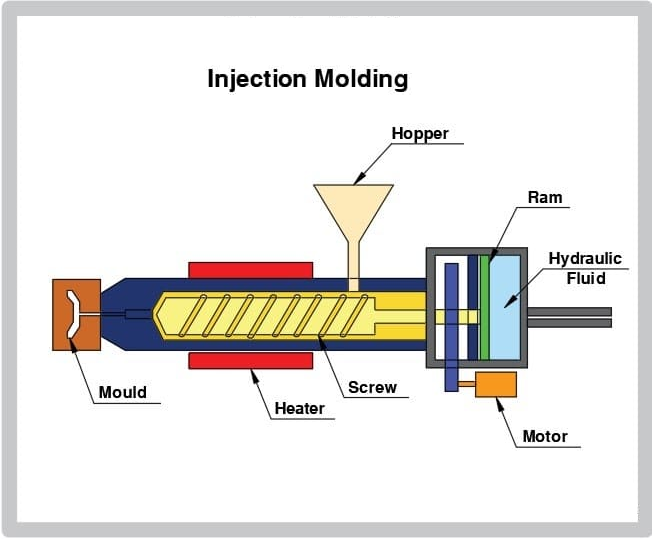
Basic Plastic Toilet Seat Injection Molding Steps
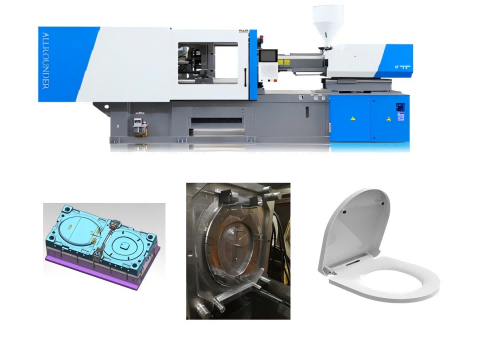
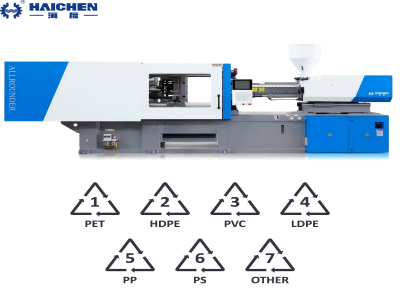
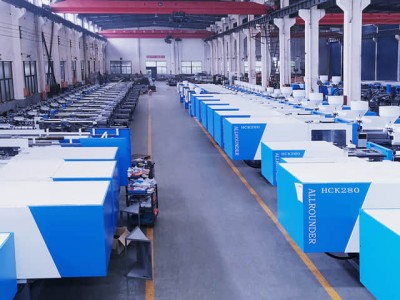
This is a medium-sized injection molding machine.
There are five keys to the process:
- Preparation before molding of toilet cover
- Toilet seat cover raw material heating and plasticisation
- Injection mould filling
- Pressure holding and cooling
- Toilet cover product demolding
Preparation before molding of toilet seat cover:
Inspection and pretreatment of raw materials, such as drying, cleaning, etc., to ensure that they meet the requirements of the injection molding process of toilet seat cover.
Toilet cover raw material heating and plasticising:
Heat and melt the plastic granules of raw materials for toilet seat cover to make them reach the flowing state.
Injection and mould filling:
Molten plastic is injected into the mould cavity of the toilet seat cover through the toilet seat cover injection machine to fill the mould.
Pressure Holding and Cooling:
Holding a certain pressure and cooling in the toilet seat cover injection mould to make the plastic solidify and form.
Toilet cover product demolding:
After cooling is complete, the mould is opened and the moulded toilet lid is removed from the mould.
These steps together constitute a complete injection molding process, which is suitable for producing plastic toilet cover products with complex shapes and precise dimensions.
Design Process for the injection of toilet covers
The injection design process for a toilet cover needs to start from pre-preparation all the way to the completion of mould commissioning.
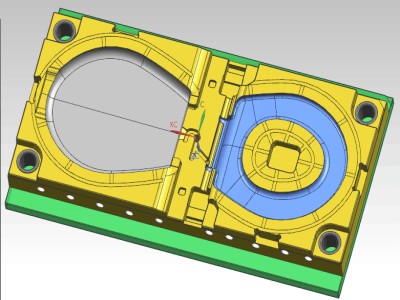
The following key links:
- Pre-preparation
- Analysis of the moulded part for toilet cover
- Pouring system design
- Cavity layout
- Molding parts design
- Guiding and positioning mechanism design
- Push-out mechanism design
- Cooling system design
- Exhaust system design
- Mould assembly and debugging
Pre-preparation:
Determine the design requirements of the toilet cover injection mould, including project initialisation, setting the mould coordinate system, setting the shrinkage rate, etc.
Toilet cover plastic parts analysis:
Analyse the structure, dimensional accuracy and surface quality requirements of the toilet cover, and select suitable molding materials.
Toilet cover injection mould casting system design:
Design the main flow channel, manifold, gate and cold material cavity, etc., to ensure that the plastic melt can fill the cavity evenly.
Cavity layout:
According to the complexity of the toilet cover products and production requirements, choose the appropriate number of cavities and arrangement.
Such as a mould with one cavity or a mould with multiple cavities.
Molding parts design:
Design the moving mould, static mould, core, insert and other molding parts to ensure that the plastic parts can be demoulded smoothly.
Guide and positioning mechanism design:
Design guide pillar, guide sleeve and other guiding mechanism to ensure the stability and precision of the toilet cover mould in the injection process.
Push-out mechanism design:
Design the push-out mechanism, including push rod, pulling rod, etc., to ensure that the toilet cover can be taken out of the mould smoothly.
Cooling system design:
Design the cooling device to control the temperature of the mould to improve the molding efficiency and quality of the toilet cover.
Exhaust system design:
Design the exhaust tank or overflow tank to prevent air bubbles or defects during the molding process of the toilet cover.
Mould assembly and commissioning:
Assemble all the designed parts into a complete mould and debug it to make sure the toilet cover mould can work normally.
Through the above steps, the injection mould design for toilet cover can be completed to ensure that the final product meets the quality requirements.
Selection process of injection machine for toilet cover
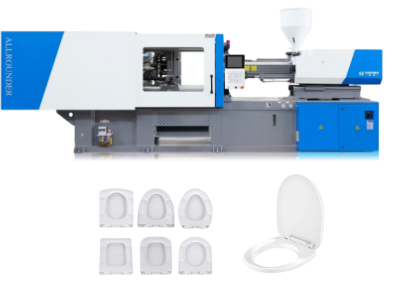
The process of selecting an injection machine for toilet covers is a major part of toilet cover production.
It usually consists of the following five steps:
- Plastic part analysis
- Initial selection of injection machine
- Parameter calibration
- Plastic toilet cover Mould design
- Final selection
Toilet cover plastic parts analysis:
Firstly, the plastic parts of the toilet cover are analysed to determine its volume, mass, shape and process parameters and other characteristics.
Preliminary selection of injection machine:
According to the volume and mass of the toilet cover, calculate the required injection volume and select the injection machine model that meets the requirements.
For example, if the regular public toilet cover, you can choose HCK410 or HCK460 injection machine.
Parameter calibration:
Calibrate the injection pressure, clamping force, mould opening stroke and other parameters of the selected injection machine.
Ensure that it meets the needs of mould forming.
For example, the injection pressure should be less than the maximum injection pressure of the injection machine, clamping force should be greater than the cavity pressure generated by the mould opening force.
Plastic toilet cover Mould design:
Design the toilet cover mould according to the technical specifications of the injection machine.
Including gate system, cavity arrangement and cooling system, etc.
Final selection:
Comprehensively consider the economy and productivity of the injection machine, and finally determine the suitable model of injection machine.
Through the above steps, the injection machine suitable for toilet cover production can be scientifically selected to ensure the molding quality and production efficiency.
Haichen provides you with the whole process of toilet cover injection molding solution
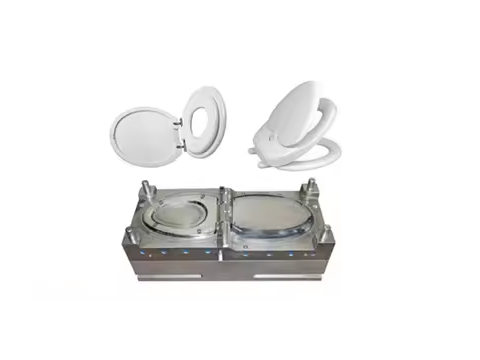
Haichen can provide the whole process of injection molding solution for toilet cover.
Including mould design, injection machine configuration, auxiliary machine configuration.
The specific process of mould design, injection molding machine configuration and auxiliary machine configuration is as follows:
- Toilet cover mould design
- Injection molding machine configuration
- Auxiliary machine configuration
Toilet cover mould design:
Pre-preparation:
Communicate with the customer, clear toilet cover design mission statement, including plastic parts drawings, technical requirements, production quantities and other information.
Plastic parts analysis:
Analyse the shape, size, use requirements and raw material characteristics of the toilet cover, and determine the model and specification of the injection molding machine.
Mould structure design:
Determine the number of cavities, parting surface, pouring system, mould release mode, temperature control system, exhaust form and so on.
Mould manufacturing:
Use CAD/CAM software to carry out three-dimensional design, choose suitable material for toilet cover mould, and process mould parts through CNC machine tools.
Trial mould and optimisation:
Carry out trial mould on the toilet cover injection molding machine, adjust the mould design according to the result to ensure product quality.
Injection molding machine configuration:
Injection molding machine selection:
According to the size, complexity and production requirements of the toilet cover mould, select the appropriate injection molding machine, and calibrate its technical parameters such as injection pressure, clamping force and so on.
Parameter setting and debugging:
Set the process parameters of the injection molding machine, such as injection speed, temperature, pressure, etc., and debugging to ensure the normal operation of the toilet cover mould.
Automation configuration:
Configure automation equipment according to production requirements, such as robot arm, to improve production efficiency.
Auxiliary machine configuration:
Cooling system:
Design and install the cooling system to ensure that the toilet cover mould is evenly cooled during the injection process to prevent product defects.
Auxiliary equipment:
Configure necessary auxiliary equipment for testing and measuring the quality of the mould and products.
Safety and environmental protection measures:
Ensure that the design of the toilet cover injection molding machine complies with safety standards and adopts energy-saving technology and environmentally friendly materials.
The whole process needs to consider the accuracy of the toilet cover mould design, the performance of the toilet cover injection molding machine and the configuration of auxiliary machines in order to achieve efficient and high quality production.