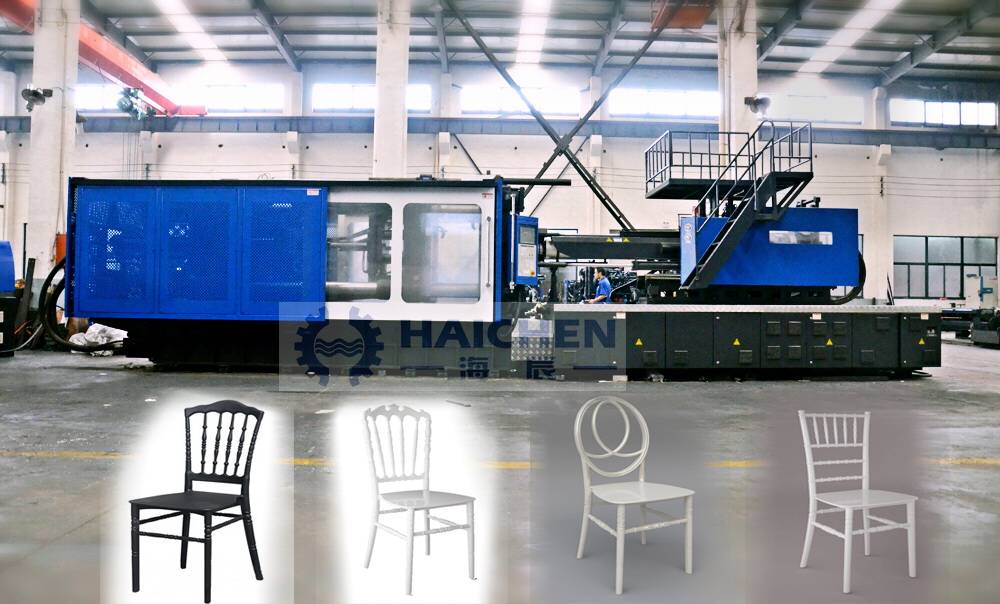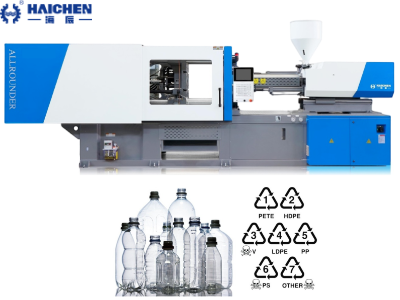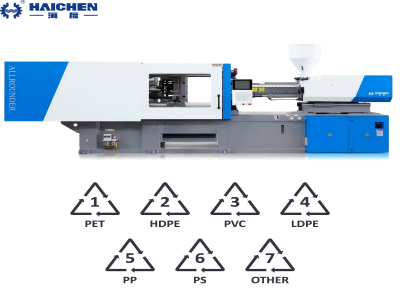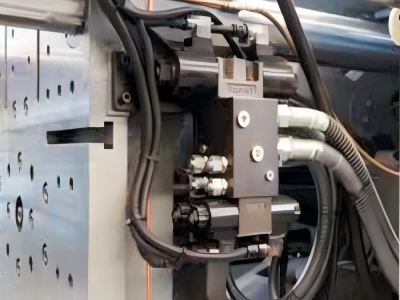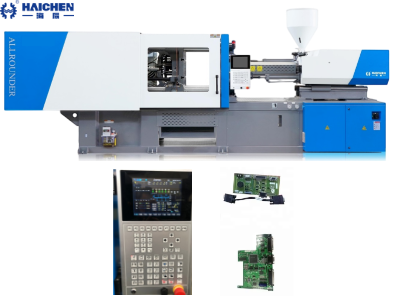
Use injection molding for plastic chairs because with high production efficiency, cost effectiveness, durability and strength etc.,
Plastic chair injection molding requires matching equipment parameters (clamping force/injection volume). With customizing high-precision plastic chair molds and controlling the process flow through PLCs is crucial. Introducing robotic arms and servo systems can increase efficiency by over 30%. While initial investment is high, the cost per piece is significantly lower in mass production.
There are many advantages to using injection molding technology to manufacture plastic chairs, which make it an indispensable process in the modern furniture manufacturing industry.We will analyse the reason why use injection molding for plastic chairs from below 5 points:
- High production efficiency
- Cost-effectiveness
- Durability and Strength
- Design Flexibility
- Lightweight
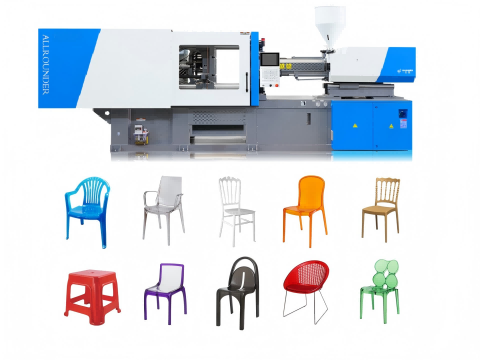
High production efficiency
Injection molding is an efficient manufacturing method that can quickly produce large quantities of chairs. By using injection molds, thousands of chairs can be produced in a short period of time to meet the needs of large-scale orders.
In addition, injection molding equipment can achieve continuous production, further improving production efficiency.
High-Speed Production and Short Cycle Times
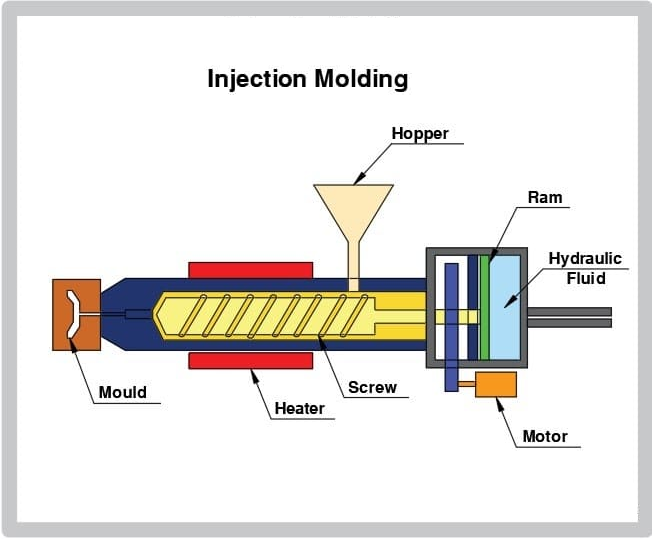
Injection molding machine for plastic chair can complete a single molding cycle in an extremely short time, including steps such as feeding, melting, injection, cooling, and demolding.
For example, it is noted that injection molding machines enable rapid and continuous production, significantly improving efficiency.
Highly Automated
From raw material handling, heating, and injection molding to product demolding and packaging, all operations are automated.
It emphasizes that automation technology significantly improves efficiency, and intelligent control systems (such as PLCs). High automation can precisely control parameters (such as temperature and pressure), reducing human error. It notes that fully automatic servo injection molding machines achieve consistent, high-quality output and reduce manual intervention.
Mass Production Capability
Injection molding technology is designed for large-scale production.
It is noted that injection molding accounts for over 30% of global plastic part production and is suitable for high-volume production.
It is noted that single production runs can reach hundreds of thousands to millions of pieces, with initial mold costs offset by scale benefits.
Energy-Saving Technologies Improve Efficiency
Servo systems significantly reduce energy consumption, and it is noted that servo drives can save 60% energy (compared to traditional hydraulic systems).
Cost-effectiveness
Injection molding has significant cost advantages over other manufacturing methods such as die casting or CNC machining. Although the initial investment in the mold is higher, the production cost of a single chair is lower, which enables companies to provide high-quality products at a more competitive price. In addition, the mold design of injection molding is flexible, and chair molds with different shapes and functions can be customized according to needs.
Cost-per-unit advantage in mass production significant economies of scale
Unit costs decrease significantly as production increases.
It is noted that after production exceeds 10,000 units, mold and equipment costs are diluted to negligible levels.
Compared to other processes
CNC machining costs hundreds of pounds per unit, while injection molding costs only a few cents.
Blow molding molds are cheaper, but injection molding offers advantages for complex structures and precision.
High material utilization
Injection molding has a low waste rate (approximately 1-5%), and waste plastics can be recycled, reducing raw material waste.
Production Efficiency and Operating Costs
- High-Speed Mass Production: Single injection molding cycles are as short as 15-120 seconds, supporting large-scale production.
- Automated Cost Reduction:
PLC control systems reduce manual intervention.
Robot integration further reduces labor costs. - Energy Consumption and Maintenance: Electric presses (e.g., 1000W) are more energy-efficient than hydraulic presses and offer lower long-term operating costs.
Design optimization reduces costs
- Mold design: Reducing the number of cavities and optimizing part layout can reduce mold costs by 20-30%.
- Part design: Rounded corners reduce post-processing requirements; uniform wall thickness improves yield.
Durability and Strength
Plastic chairs produced using injection molding are strong and durable, able to withstand the heavy loads of daily use without damage. This technology also allows for complex geometric shapes and structural details to be incorporated into the chair design, which enhances its stability and longevity.
Equipment structure and design on durability and strength
Clamping unit: High clamping force (100-300 tons) ensures a tight mold closure, reduces flash and internal defects, and improves product density and strength.
Injection unit: A four-cylinder balanced injection design (such as Haichen equipment) and a specialized screw (such as a wear-resistant nitrided screw) ensure uniform plasticization, prevent material degradation, and enhance finished product strength.
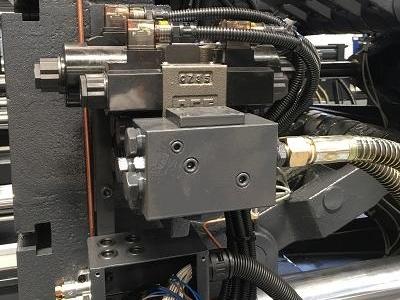
Hydraulic system: Closed-loop control (such as PID temperature control) and well-known brand pumps and valves ensure pressure and temperature stability, reducing defects caused by fluctuations.
Material Adaptability
The machine supports a wide range of materials (PP, glass fiber reinforced plastic, etc.). Through specialized screw designs (such as those with a high aspect ratio), it can handle highly filled materials, meeting the demands of high-strength chairs.
For example, glass fiber-filled materials significantly increase chair rigidity, but require a wear-resistant screw and barrel.
Automation and Intelligent Control
The PLC system precisely controls injection pressure (150-250 bar), hold time, and cooling parameters, reducing human error and ensuring batch consistency.
Remote monitoring enables real-time fault diagnosis, reducing downtime and extending equipment life.
Design Flexibility
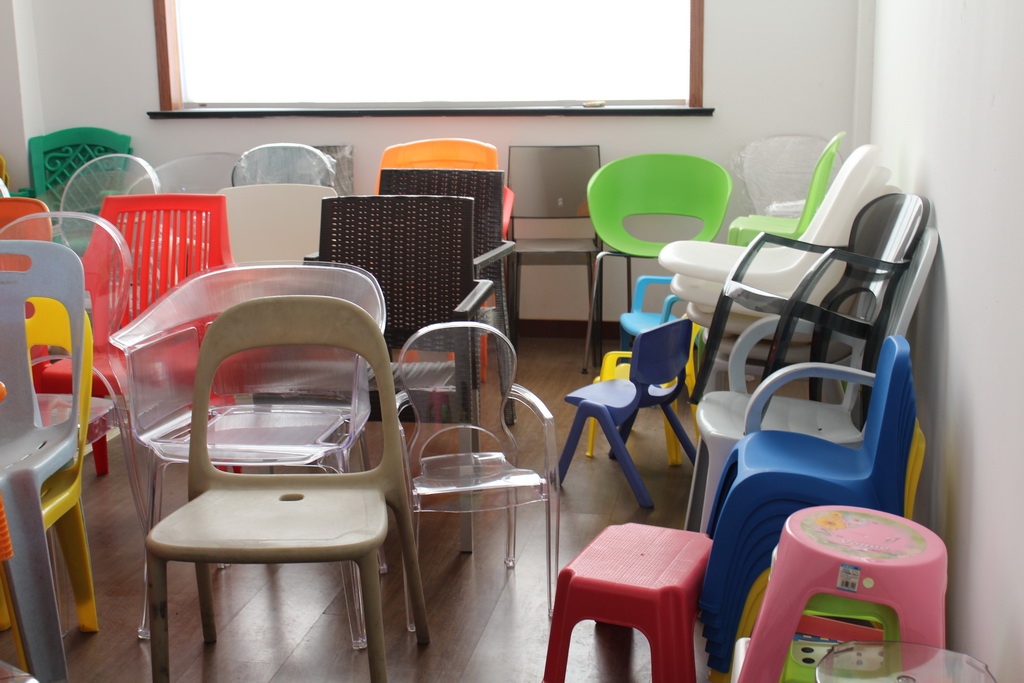
Injection molding technology allows designers to create complex and unique chair shapes. Precise control of mold design and material selection allows for a wide range of designs, including color, pattern, and functionality. This flexibility makes plastic chairs not only practical but also aesthetically pleasing.
The inherent process supports complex designs
Injection molding technology inherently offers a high degree of design freedom, enabling the creation of complex geometries, fine features (such as textures and handles), and multifunctional components (such as multi-color parts) that are difficult to achieve using traditional processes.
For example, injection molds can accurately reproduce complex structures (including undercuts and threads), enabling lightweight, durable chairs with a variety of custom designs (such as different colors and curved surfaces).
Flexible plasticizing unit adaptability
Some models offer optional plasticizing unit adapters, allowing for smaller shot sizes and compatibility with a variety of screw diameters, adapting to different materials and production requirements without changing the installation location.
Modular structural design
Utilizes a split machine base, allowing for flexible combinations of the clamping unit and injection unit. The expanded mold plate size accommodates molds of varying sizes, enhancing the machine’s versatility.
Intelligent control system
PLC or PC-based control systems precisely control parameters. Such as temperature and pressure, integrate machine learning to optimize processes. Reduce human error, and support rapid mold/parameter switching for customized production.
Wide Range of Material Options
Injection molding machines can process a variety of plastics (such as PP, ABS, PC, PET, etc.).
By adjusting the material formula to achieve different strength, flexibility, and weight requirements, they provide more possibilities for chair design.
Lightweight
Using injection molding technology are generally lightweight, making them easier to transport and handle. This is especially important in commercial environments where chairs need to be moved frequently.
Gas-Assisted Injection Molding
- Creates hollow chairs, achieving both lightweight and high strength, as in the case of stacking chairs.
- Gas injection into the mold creates plastic channels, reducing weight.
Clamping Force
Lightweight chairs typically require a clamping force of 100–300 tons (such as the Haijiang HJF780 model); however, larger chairs (e.g., weighing 1.2–3.8 kg) require higher clamping forces (450–1150 tons).
Foaming technology can reduce clamping force requirements by lowering injection pressure.
Injection Weight
The injection weight for lightweight chairs ranges from 50–100 grams (for small chairs) to 1600 grams (for larger parts). The equipment should be tailored to the chair’s design weight.
Energy-Efficiency Design
Servo energy-saving systems (such as the SINO-TECH ST-260SEIII) save 30% more energy than traditional models and reduce hydraulic oil consumption….